Car Shipping Insurance: Where Carrier Coverage Actually Stops
Carriers must carry cargo insurance, but the per-load limit can fall short of your car's value. Here's the real coverage gap and when supplemental insurance pays.

Every FMCSA-licensed carrier has to carry liability insurance, typically $750,000 to $1,000,000, and separate Motor Truck Cargo insurance that specifically covers the vehicles on the trailer. That sounds like plenty until you notice the cargo policy’s limit applies to the whole load, not just your car.
Those two policies do different jobs, and the distinction matters more than the big number suggests. The liability policy isn’t the one standing behind your vehicle. Cargo is. So when a broker reassures you that the carrier is “fully insured,” the follow-up question is which policy they mean and what its limit is.
Does the carrier’s insurance cover my car during shipping?
Yes. FMCSA-licensed carriers must carry Motor Truck Cargo insurance, and it typically starts around $100,000 per load. Anyone shipping with a licensed carrier is starting from a real policy rather than a promise, and the large majority of shipments arrive with nothing to claim against it.
The longer answer is the one worth having. That per-load limit is the number to interrogate: the question isn’t whether coverage exists, it’s whether the limit is enough to cover every vehicle on the trailer if something goes wrong, not just yours.
Cargo coverage typically starts around $100,000 per load for open transport, with enclosed carriers often carrying more, sometimes $250,000 up to $1,000,000, since they tend to haul higher-value vehicles. A typical range across the industry runs $100,000 to $250,000 per load. That number has to stretch across every vehicle on the trailer if something happens to the whole load, not just yours. If you’re weighing open against enclosed transport, the heavier cargo policy that tends to sit behind an enclosed carrier is one of the less obvious things you’re paying for.
What is the coverage gap in car shipping insurance?
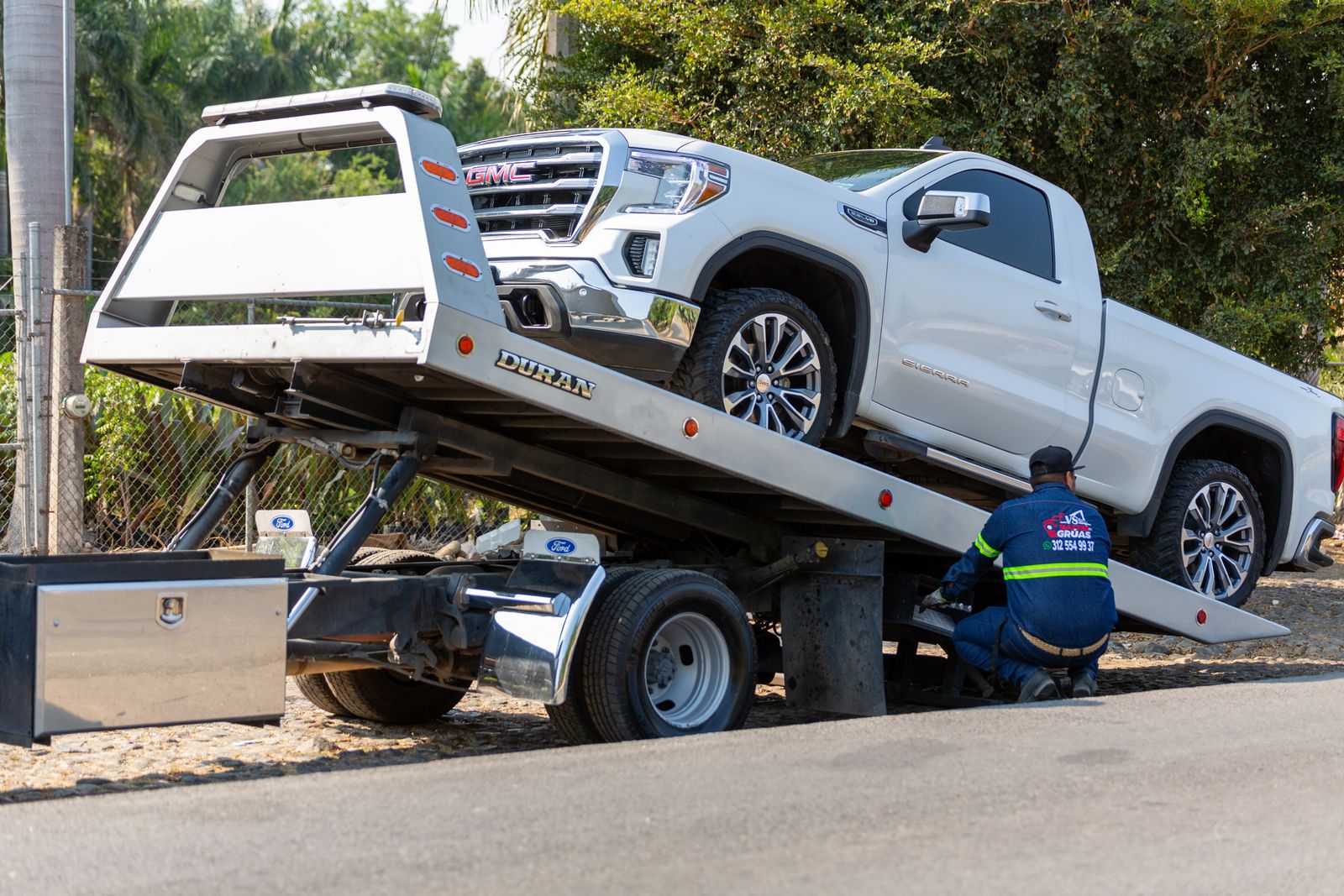
A carrier’s cargo policy covers the whole trailer load, often several vehicles, up to one limit. If your car’s value plus the other vehicles on board exceeds that limit, a total loss could leave you under-covered even though the carrier is technically insured.
Run the math and it stops being abstract. If your car is worth $40,000 and it’s riding with six other vehicles worth a combined $150,000, a total-loss event on that trailer could exceed a $100,000 cargo policy before your claim gets fully paid. This isn’t a hypothetical edge case, it’s simple math on a policy limit that was set for an average load, not necessarily yours.
The word “insured” hides a lot here. A carrier can be fully licensed, fully compliant, carrying exactly what the law asks of them, and you can still come up short, because the limit was written for the trailer rather than for you. Nobody is doing anything wrong in that scenario. The number just runs out.
The gap matters most for genuinely high-value vehicles: luxury cars, classics, exotics, and heavily modified builds where the insured value sits well above what a typical sedan on the same trailer is worth. If you’re moving a collector car, this is the paragraph to reread.

When should I buy supplemental gap insurance?
Gap or supplemental insurance exists specifically to close this hole. It commonly costs 1% to 3% of the vehicle’s value and covers the difference between the carrier’s per-load cargo limit and your car’s actual worth.
Buy it for a high-value, luxury, classic, or heavily modified vehicle where standard cargo limits might not cover a full loss. Skip it otherwise. For a $15,000 daily driver, this is very likely unnecessary, since the per-load limit has room for a car like that many times over. For a $150,000 classic or a heavily customized build, it’s a real consideration worth pricing out before you book.
The decision is a comparison, not a judgment call: weigh 1% to 3% of what your car is worth against the distance between that value and the carrier’s per-load limit. If that distance is zero, you’re paying for nothing. If it’s most of your car, you’re not.

What to ask before you ship
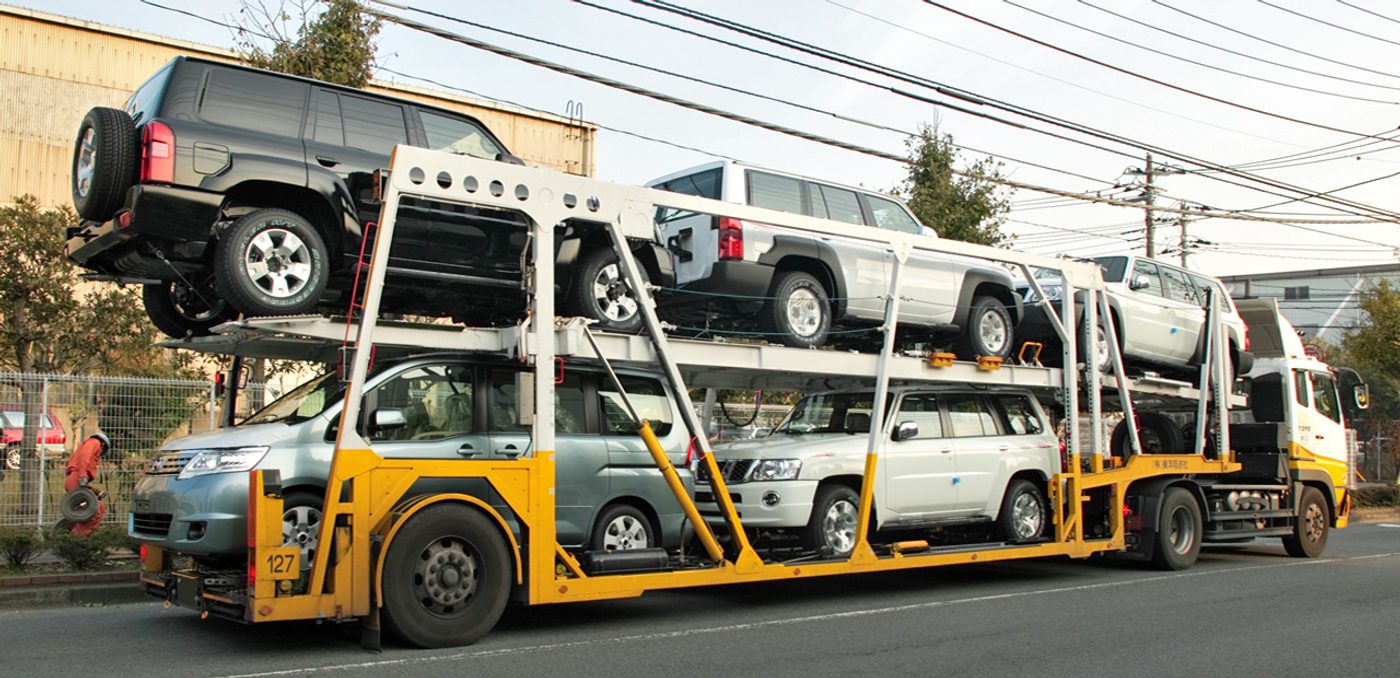
Ask the carrier or broker directly what their cargo insurance limit is and whether it’s per-vehicle or per-load. That single distinction reshapes everything above: a per-vehicle limit makes most of this moot, and a per-load limit is where the gap lives.
A broker who can’t answer that question clearly, or who brushes past it, is worth a second look regardless of how good the price otherwise looks. Vagueness about coverage tends to keep company with the other patterns worth knowing about, so it’s worth understanding how the lowball-then-raise routine works before you hand over a deposit. Get the answer while you’re still choosing, too, not once a driver is in your driveway: the pickup inspection is where a claim actually begins, and that’s late to be learning what the policy does. Compare vetted carriers with this question answered up front rather than discovering the gap after something goes wrong.

2026 regulatory update
New FMCSA rules effective January 16, 2026 strengthen broker financial-responsibility requirements, including a $75,000 surety bond for auto transport brokers. That’s a floor for broker accountability, not a substitute for confirming the actual carrier’s cargo insurance limit on your specific shipment. The bond sits on the broker. The cargo policy sits on the truck your car is riding on. Only one of them is holding your vehicle.