Boat Shipping Cost: What Beam Width Does to Your Price
Boat transport runs $1.50-$3.50 per mile depending on beam width and length, more than car or motorcycle shipping. Here's why width matters more than distance.
Typical cost range
$400 – $5,500
Open transport · 1,200 mi
This is an honest estimate built from published market pricing, not a locked quote from any single carrier or broker. Rates as of 2026-07, reviewed 2026-07-02.
Boat transport doesn’t follow the same distance curve as car shipping quite as cleanly, because beam width dominates the price in a way distance alone doesn’t. A short haul under 300 miles runs $2.50 to $3.75 a mile, landing most local moves at $400 to $1,100 total. A cross-country haul over 1,000 miles drops to $1.50 to $2.50 a mile, but the total still climbs to $2,000-$5,500 or more, because a wide boat costs more to move regardless of how far it goes.
How much does it cost to ship a boat?
Read those two bands together and the shape of boat pricing shows up. The per-mile rate and the total bill move in opposite directions: going farther earns a better rate per mile, from $2.50-$3.75 down to $1.50-$2.50, while the total still roughly quadruples.
So a per-mile figure on its own tells you almost nothing about whether a quote is fair. The band you land in depends on how far you’re going, and the number inside that band depends on how wide your boat is. Two owners can get honest quotes at the same per-mile rate and pay very different totals.

Why does a boat cost more per mile than a car?
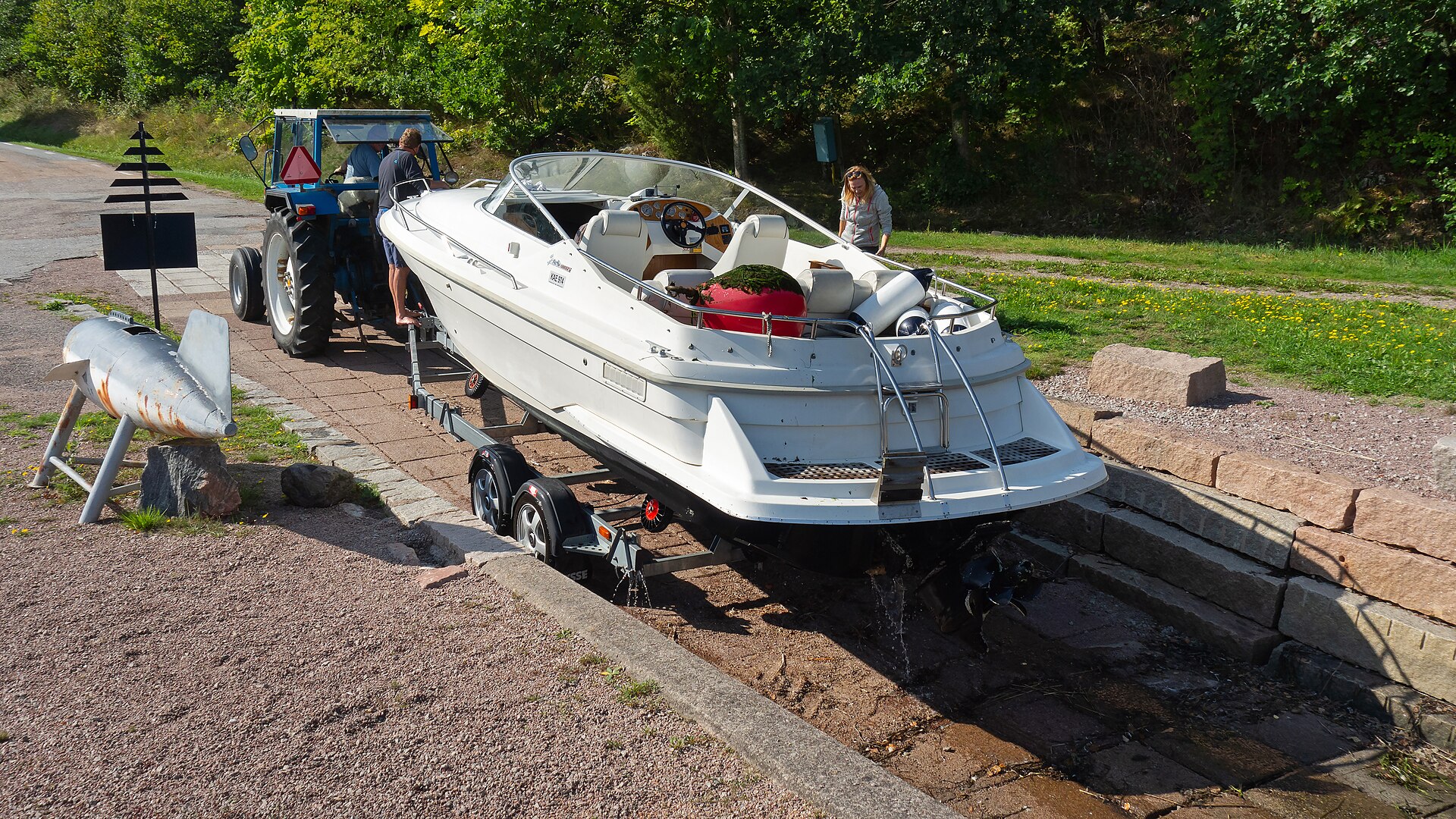
Beam width, meaning the boat’s overall width including the trailer, is the biggest cost driver. A car fits inside the legal envelope a carrier already operates in every day. A wide boat doesn’t. Once the load crosses into oversize territory, the carrier needs a wide-load permit, and sometimes escort vehicles running ahead or behind.
Here’s the part that catches people out: those costs attach to the boat, not to the mileage. A permit and an escort cost what they cost whether the trip is 200 miles or 2,000. That’s why boat quotes don’t behave like the car shipping quotes you might be used to, where the price tracks distance fairly predictably. On a boat, a meaningful chunk of the bill is decided before the truck moves an inch.
Does boat shipping need a special permit?
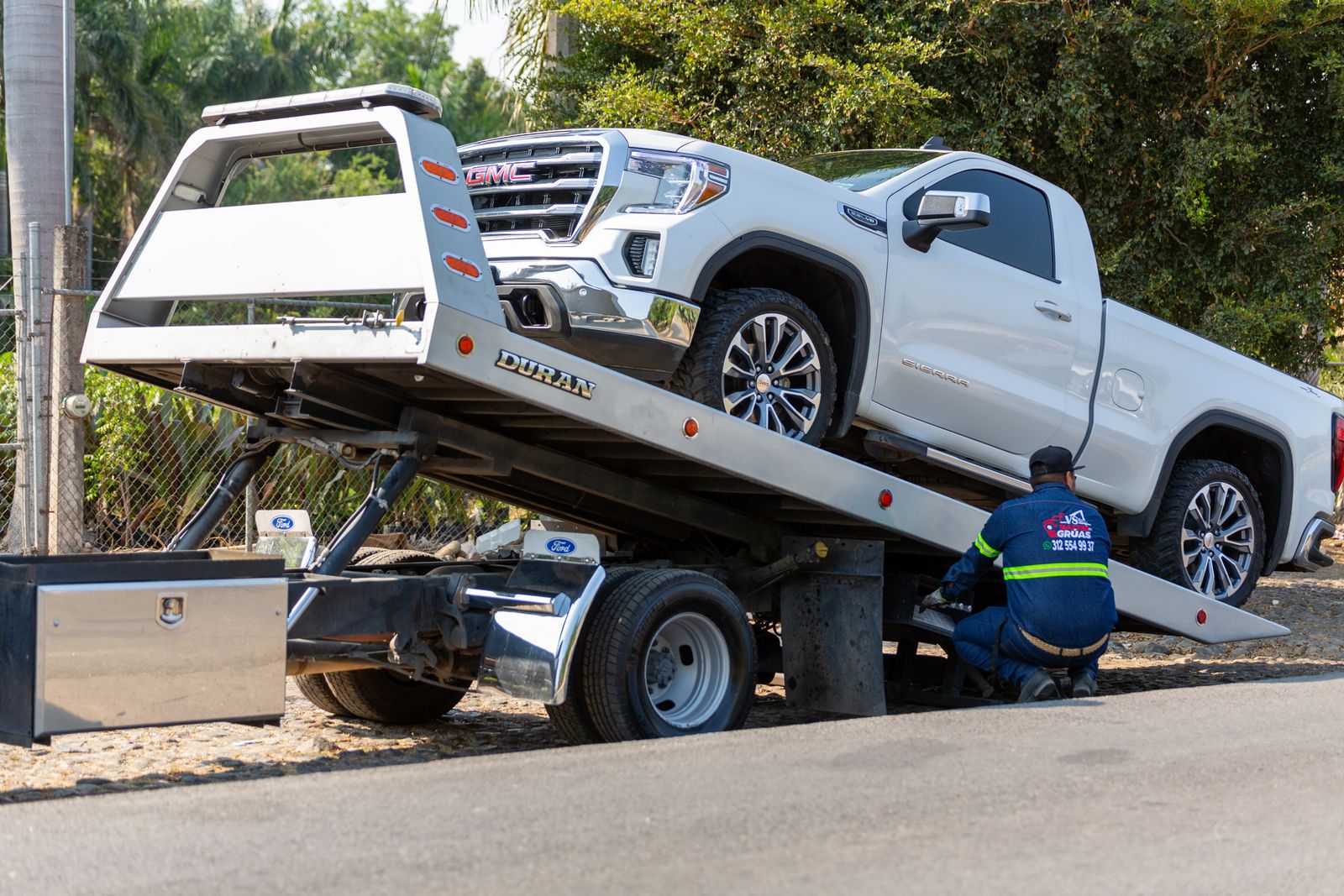
Boats and trailers exceeding standard width thresholds, commonly around 8.5 feet in many states, need oversize or wide-load permits and sometimes a pilot car escort. The carrier typically builds that into the quote rather than billing it as a separate line, which is exactly why two quotes for the same trip can differ by more than fuel could ever explain.
Note the phrasing: commonly around 8.5 feet, in many states. Thresholds aren’t uniform. A carrier pricing your route needs your actual measured width before the number means anything, and a quote produced without anyone asking your width is a guess wearing a decimal point.


Why width matters more than length
A boat and its trailer combined often exceed the standard road-legal width most states allow without a permit. Cross that threshold and you’re in permit territory, with costs that don’t scale with distance the way per-mile fuel costs do. A wide 30-foot boat moving 200 miles can cost more than a narrow 40-foot boat moving 500.
Owners tend to assume the big number on the spec sheet, length, drives the price, then get blindsided when a modest-length boat with a wide beam prices like something much bigger. The same permit-and-escort logic drives RV transport pricing, where dimensions rather than distance set the ceiling.


What actually changes the price
Beam width first, length second, then distance. A boat’s trailer setup (bunk vs. roller, single vs. tandem axle) affects how easily it loads and unloads, which factors into labor time on both ends. Ask specifically what width and permit requirements apply to your boat before comparing quotes, since two carriers pricing the same trip differently might simply be assuming different width classifications.
Settle the width question first and the quotes become comparable. Skip it and you’re comparing numbers built on different assumptions, which is how an apparent bargain turns into a revised invoice later.
What to watch for
Boat shipping isn’t immune to the lowball-quote game that plagues car and motorcycle transport. A quote that ignores your boat’s actual beam width, or that seems too good given the permit requirements you’ve confirmed independently, deserves a second look. Read how the deposit scam works before committing to any single quote.
Ask what the carrier’s cargo policy actually covers before your boat goes on a trailer, rather than assuming the word “insured” settles it. The coverage-gap problem in auto transport is worth understanding first, because a limit that sounds generous looks different once you know what it’s shared against.
Moving a vehicle alongside the boat? Run that leg through the cost estimator so you know its honest range before anyone quotes you on a bundle.