Classic Car Shipping Cost: The Enclosed-Transport Default
Classic and collector car shipping typically runs $1,200-$2,500, priced around enclosed transport by default. Here's why the math differs from a daily driver.
Typical cost range
$1,200 – $2,500
Open transport · 1,200 mi
This is an honest estimate built from published market pricing, not a locked quote from any single carrier or broker. Rates as of 2026-07, reviewed 2026-07-02.
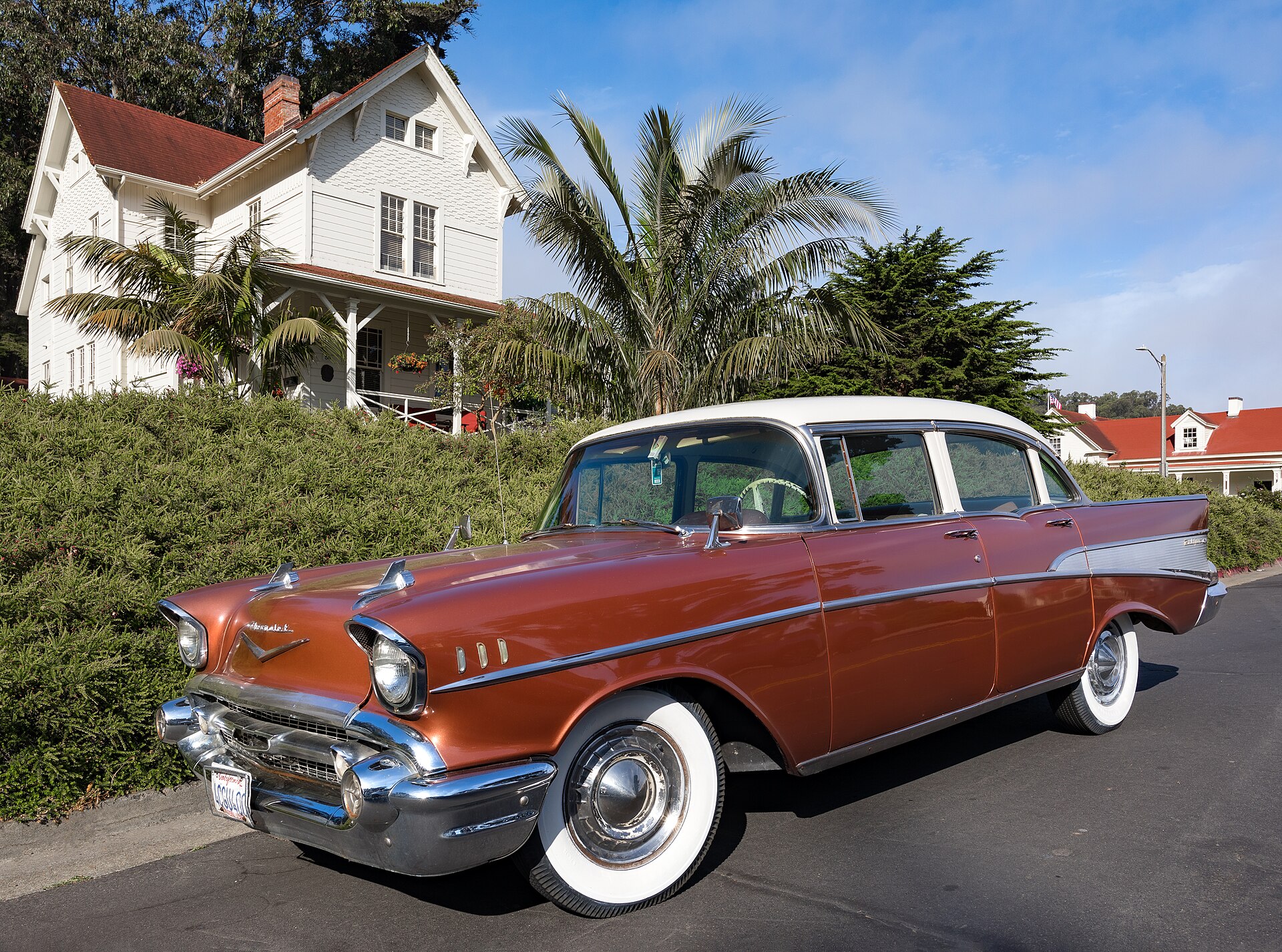
Most classic and collector car owners choose enclosed transport before they even ask about the price difference, and that choice shapes the whole cost picture. A typical mid-distance move lands at $1,200 to $2,500, most of that driven by the enclosed-carrier default rather than the vehicle itself weighing any more than a regular sedan.
How much does it cost to ship a classic car?
That $1,200 to $2,500 band is generally priced around enclosed transport, since most owners choose it for a collector vehicle regardless of the extra cost, which means it isn’t really a “classic car rate” at all. It’s the enclosed rate, plus whatever your particular car asks for on top.
That distinction is worth holding onto, because it tells you which parts of the price you actually control. A classic doesn’t get charged for being old or being valuable. It gets charged for the trailer it rides in and the care it takes to load. Distance still does the same work it does for any vehicle, so a long lane like California to Florida sits at the upper end for the same reason it would with a sedan on board.

Do classic cars have to ship enclosed?
No. Most owners choose it anyway, to protect paint, chrome, and interior from road debris and weather.
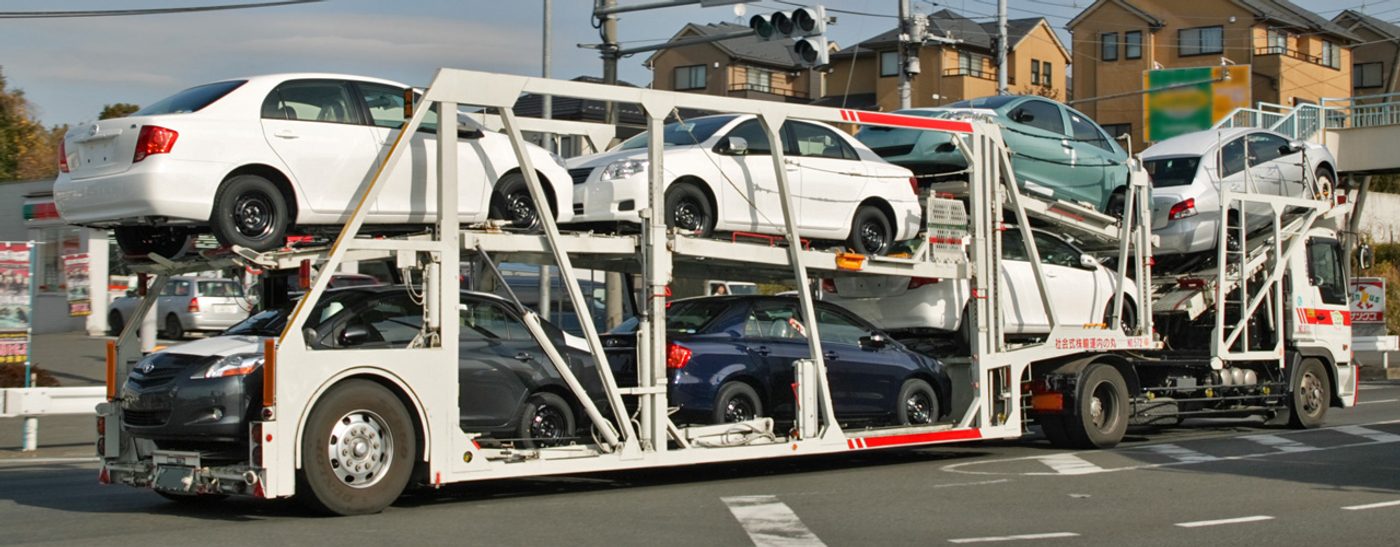
Open transport exposes a vehicle to road debris, weather, and the general grime of a multi-day highway trip, the kind of exposure that can dull paint, pit chrome, and let road grit into the cabin over a few days on the highway. That doesn’t rule it out. Open transport works, and costs less, if the car has usable, insured value but isn’t a show-condition restoration. A classic with real driving value and no show-circuit ambitions can ship open and pocket the savings.
For a numbers-matching restoration or an unrepeatable trim variant, though, a single rock chip or a week of rain isn’t an acceptable tradeoff at any price difference. The useful test isn’t what the car is worth, it’s what happens after the damage. A driver-grade classic gets repainted and driven. An original finish, once it’s chipped, is no longer an original finish, and no amount of money buys that back. Owners who ship open are usually the ones who’ve already made peace with that. The full open-versus-enclosed comparison covers the tradeoff for ordinary vehicles too.
Does classic car shipping cost more than a regular car?
Yes, on two counts.
The first is the enclosed default. Enclosed transport runs 30-60% over the open rate for the same route, and most classic car owners treat that premium as the cost of doing this at all, not an optional add-on. That alone accounts for most of the gap between a classic’s quote and a sedan’s on the same lane.
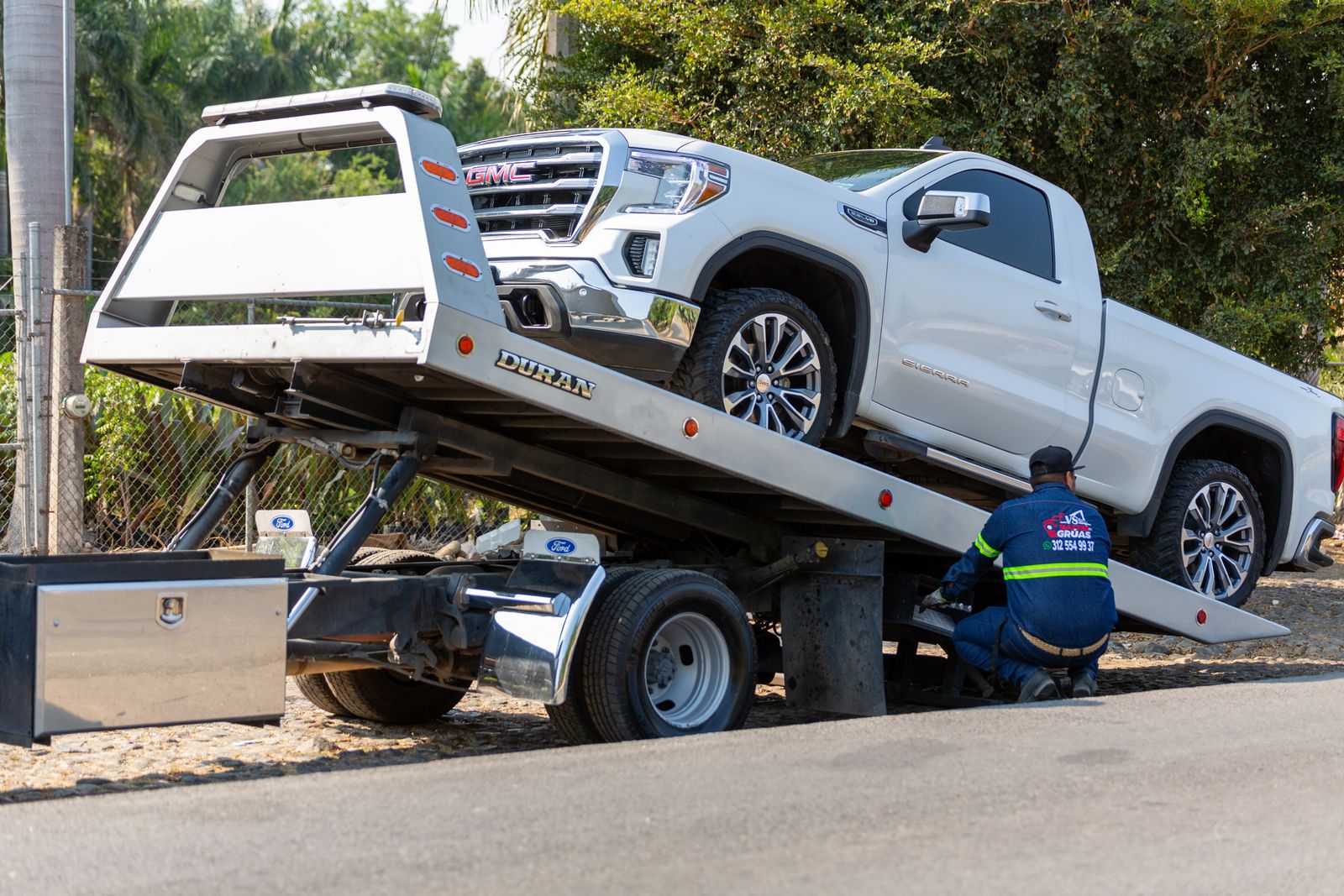
The second is a specialized-handling premium that carriers often add for irreplaceable or unusually valuable vehicles. Lower ground clearance means careful ramp loading, non-standard tie-down points need extra care, and some owners request soft straps instead of standard hooks to avoid marking the frame. None of that shows up on a standard sedan’s quote, and it’s a legitimate reason a classic car costs more than the enclosed multiplier alone would suggest. A carrier charging for it isn’t padding the bill. A carrier who never mentions it may not be planning for it.

What to watch for
The trust gap in this niche cuts both ways for classic car owners. A broker who doesn’t ask about the vehicle’s specific handling needs, or who quotes a classic car at open-transport pricing without mentioning the enclosed option at all, isn’t necessarily lowballing you, but isn’t giving you the full picture either. The questions a good broker asks unprompted, about ground clearance, tie-down points, and how the car actually drives onto a ramp, are a fair signal of whether they’ve moved a car like yours before.
Value is the other thing that makes a classic different, and it’s worth a direct question before you book rather than after: here’s where the carrier’s coverage stops and why a collector vehicle is the case where that limit matters most. The standard lowball-then-raise pattern applies here as well: read how the deposit scam works before signing anything, especially given the higher dollar amounts at stake with a valuable vehicle. If your timeline has a hard date attached, a show or an auction, transit times run on ranges rather than promises, and enclosed doesn’t change that.