New York to Florida Car Shipping Cost
What it actually costs to ship a car from New York to Florida in 2026-07: an honest 833-1,538 dollar range for open transport, built from published market pricing.
Representative lane: New York, NY to Miami, FL (1,282 mi). New York and Florida are large states; your exact pickup and drop-off cities will shift the distance and price somewhat.

Estimated cost
$833 – $1,538
Open transport · 1,282 mi
Enclosed: $1,083 – $2,461
Typical transit: 3–7 days
This is an honest estimate built from published market pricing, not a locked quote from any single carrier or broker. Rates as of 2026-07, reviewed 2026-07-02.
How much does it cost to ship a car from New York to Florida?
Expect $833 to $1,538 for open transport on this 1,282-mile lane, or $1,083 to $2,461 enclosed, as of 2026-07. Those figures cover a New York, NY to Miami, FL move. That’s a real range, not a lowball number designed to get your phone number.
Where you land inside that range is mostly a question of when. This lane has a season, and shipping into it costs real money compared to shipping around it. A quote given without asking your dates isn’t an estimate.


Why this lane costs what it costs
New York to Florida is a long-haul move, and long hauls actually cost less per mile than short ones. A carrier moving your car 1,282 miles spreads its fixed costs (fuel, driver time, tolls) across a lot of pavement, so the per-mile rate drops compared to a 300-mile move across one state. Don’t be surprised if a shorter in-state quote looks more expensive per mile than this cross-country lane. That’s normal, not a mistake.
Demand on this lane matters too. Snowbird season pushes some New York-Florida routes up 10-25% as retirees move south for winter and back north in spring. If your timing lines up with peak season, expect the top of the range, not the bottom.
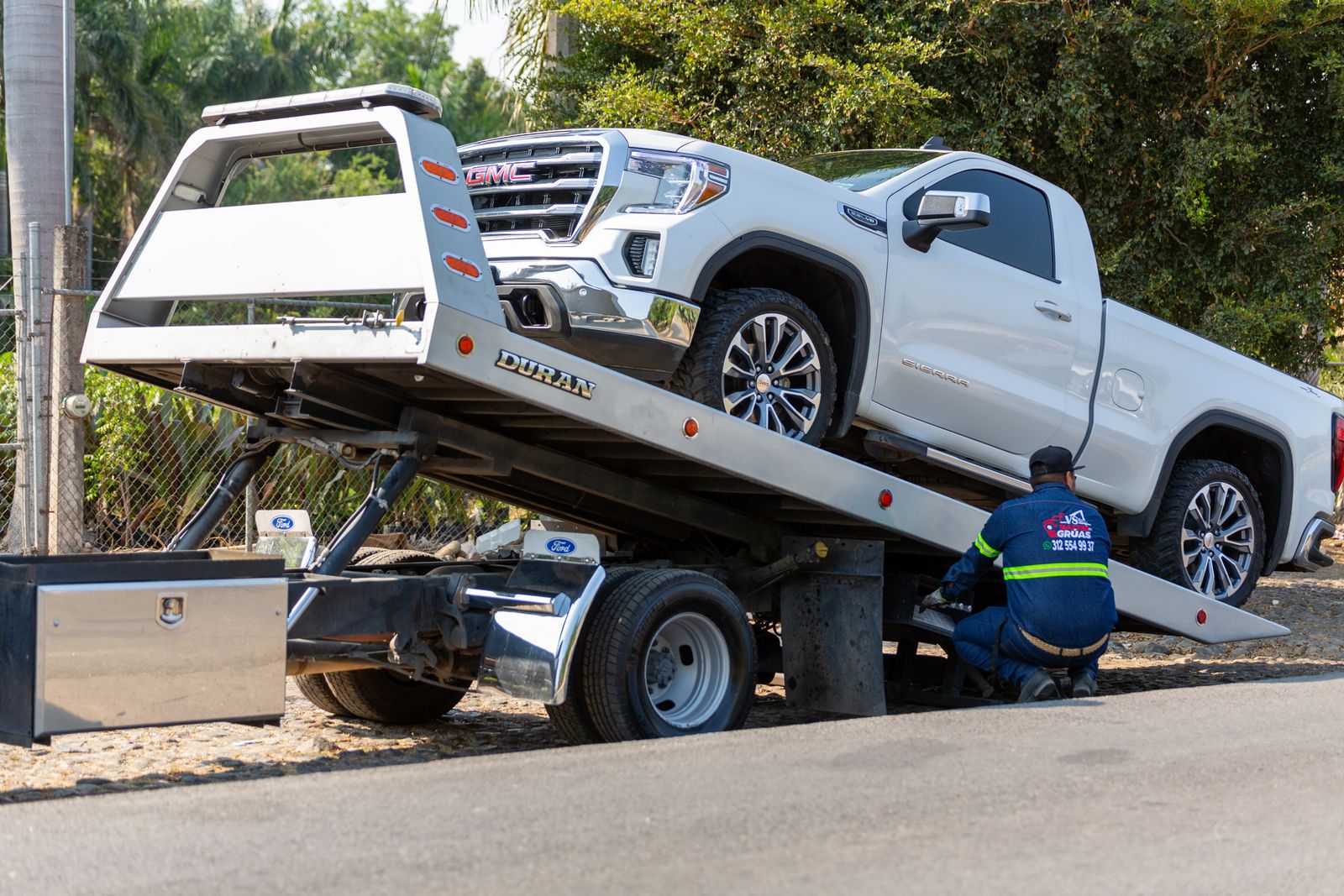
Pickup logistics are the other thing that shapes this quote. A car carrier needs room to lower a ramp, which most of New York City cannot offer. Plan on meeting the driver at a lot, a wide street in an outer borough, or a staging area outside the city. A carrier who tells you this early is being straight with you. One who promises door-to-door pickup in Manhattan without qualification is telling you what you want to hear.
Vehicle type still applies. Trucks and larger SUVs take more deck space and weight than a sedan and price accordingly. Anything that won’t start or roll needs winching, which not every truck carries, so disclose it up front rather than at the curb.

How long does this route take?
Typical transit for this distance runs 3-7 days, depending on the carrier’s route and how many other stops it makes along the way.
The driving itself is the small part. A truck leaving New York works its way down the coast, and your car sits on the deck through every pickup and delivery scheduled ahead of it. A near-direct run finishes at the fast end of that window. A loaded truck with stops along the way lands at the slow end.
Two things to plan around. Dispatch time comes before the transit window starts, so booking to delivery is longer than 3-7 days on its own. And the delivery date is a target, not a guarantee, because hours-of-service rules cap what a driver can legally cover in a day. Our transit-time guide breaks down what actually drives the spread.
Is a lower quote for this route ever legitimate?
Sometimes, but a quote significantly below this range (roughly 25% under) is the classic red flag for a lowball-then-raise broker tactic. Ask who the actual carrier is before you pay a deposit.
A small discount under $833 can be genuine, especially off-season. A driver repositioning south with an empty slot will cut the rate rather than run the space unfilled.
Far under the floor is the setup. The broker lists your car at the quoted number, no carrier accepts it because it doesn’t cover the run, and the load sits. Then the phone rings with the same story every time. The truck cancelled, the market moved, it’s a few hundred more, and you’re leaving in the morning. So you pay it. The quote was never a price. It was a way to take your deposit and buy time.
The counter is one question: who is the carrier? A broker with an actual dispatch names the company, the DOT number, and the insurance on the spot. A broker still waiting for someone to accept the load will talk around it. Read how the deposit scam works before you hand over any money, and know what the carrier’s insurance actually covers before the truck arrives.

Open or enclosed on this run?
Open transport is the default and the right call for most cars on a run this length. Enclosed runs $1,083 to $2,461 here, and the premium buys a sealed trailer for 1,282 miles. It’s worth it for a collector car or anything you’d rather not explain to an appraiser. If you’re moving a classic south for the season, the classic car shipping guide covers the handling side. For a daily driver, open is the practical answer, and the open versus enclosed breakdown has the full comparison.
What to check before booking
Get quotes from more than one source and compare them against this range. Flexible pickup dates help the carrier slot your car into a truck that’s already running this route, which keeps you closer to the low end. Demanding a specific day pushes you toward the high end or beyond.
Photograph the car before it loads and inspect it at delivery before signing anything. The condition report from pickup is what any damage claim depends on. If the broker-versus-carrier distinction is new to you, start here. Shipping the other direction? See Florida to New York.