Open vs. Enclosed Car Shipping: Which One You Actually Need
Enclosed transport costs 30-60% more than open. Here's the honest case for each, so you're not paying for protection you don't need or skimping on protection you do.
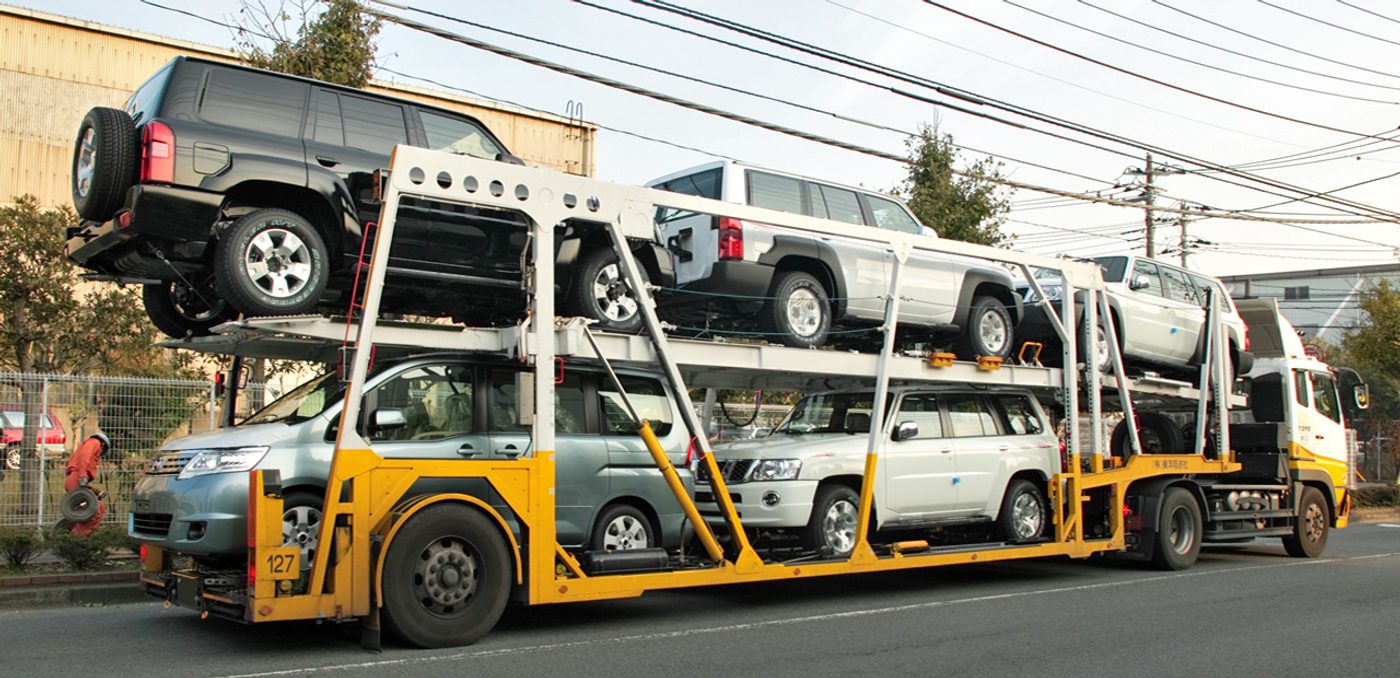
Enclosed transport costs 30 to 60% more than open, for the same route, same distance, same vehicle. On a 2,000-mile cross-country lane, that’s the difference between roughly $1,200-$1,400 open and $1,700-$2,000 enclosed. Neither choice is wrong. The question is what you’re actually protecting against, and whether that protection is worth the premium for your specific car.
Is open transport safe for a normal car?
Yes. The large majority of car shipments move on open carriers, including new-car dealer transport, and they do it with a strong safety record. Open transport is the default for a reason: it works.
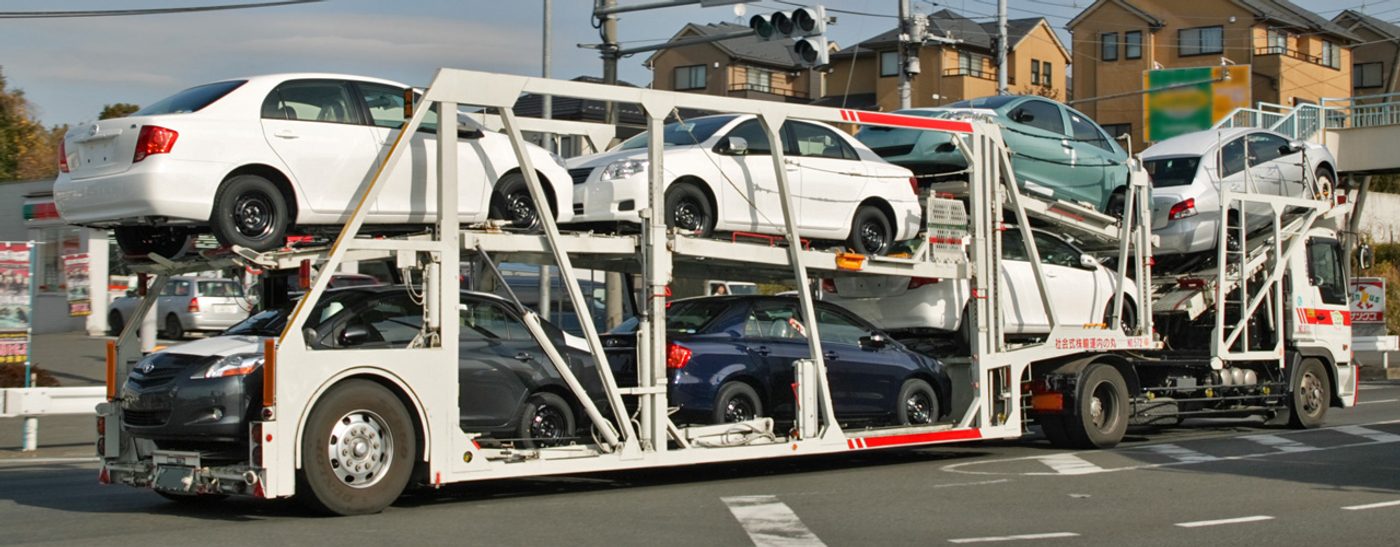
An open carrier is the double-decker trailer you see hauling new cars off the highway, exposed to weather and road debris the entire trip. Rock chips are possible but uncommon over the length of a typical haul, and a light coat of road film washes off. If your car is a daily driver with normal wear and tear already, open transport adds negligible additional risk for a meaningfully lower price.
It’s worth sitting with the dealer-transport point for a second, because it settles the question better than any argument. The manufacturer moving a brand-new car to the showroom floor, a car nobody has driven, with paint that has to be perfect on arrival to sell at full price, puts it on an open trailer. That’s not a company cutting corners on something it cares about. It’s the industry telling you what the actual risk level is.

What does enclosed actually buy you?
An enclosed trailer fully shields the vehicle from weather, debris, and public view for the entire trip. It’s the standard choice for classic cars, exotics, and anything in show condition, where even a small cosmetic mark matters in a way it doesn’t for a used commuter car.
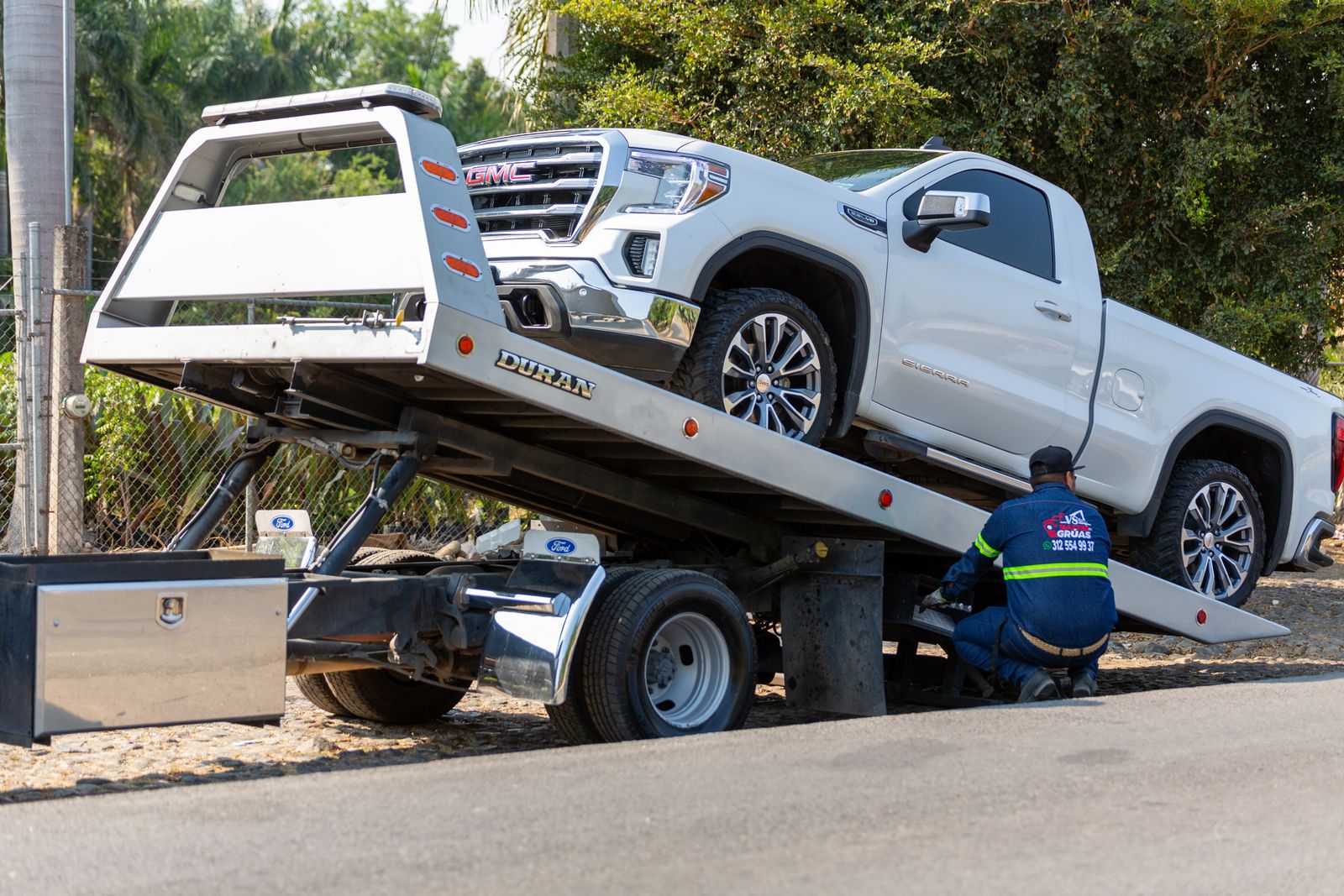
There’s a second reason owners choose it that has nothing to do with weather. Enclosed carriers tend to specialize: lower ground clearance, liftgates instead of steep ramps, fewer vehicles per load, drivers who move valuable cars for a living. If your car is difficult to load, that specialization is worth as much as the roof over it. The privacy is a genuine factor for some owners too, since an enclosed trailer doesn’t advertise what’s inside at every truck stop between here and there.
When is enclosed actually worth the extra cost?
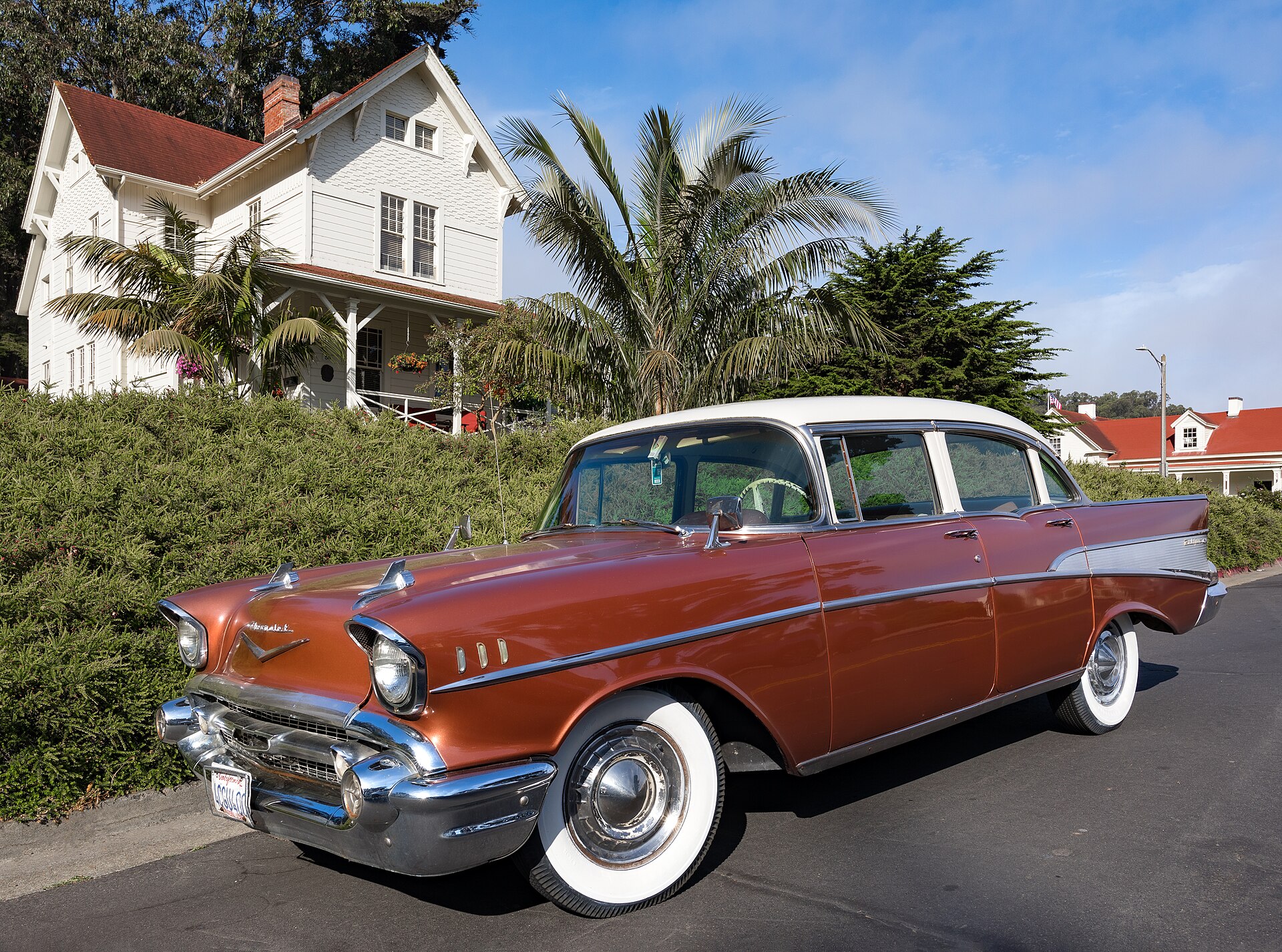
For a classic, exotic, or show-condition vehicle where a single rock chip or a week of road grime is unacceptable, or for a car you genuinely cannot risk any cosmetic exposure on. For a daily driver, open transport is the practical, cost-effective default.
The useful test isn’t “do I love this car.” Most people love their car. The test is whether a cosmetic mark would cost you real money or be genuinely hard to undo. A stone chip on a ten-year-old commuter is annoying. The same chip on an original-paint restoration is a permanent subtraction from what the car is worth, and no amount of careful driving afterward puts it back. If a mark would show up on an appraisal, pay for the trailer. If it would show up on a to-do list, don’t.
Classic car shipping covers the collector-vehicle case in more depth, including the handling premium that comes with irreplaceable vehicles. Motorcycle shipping runs the same tradeoff on a smaller scale.

The honest recommendation
If your car is a normal daily driver being relocated for a move, job, or purchase, open transport is the sensible default. Save the premium. If your car is a restoration, a collector piece, or something you genuinely cannot risk any cosmetic exposure on, enclosed is worth the extra cost and most owners in that position choose it without a second thought. There’s no universal right answer, only the right answer for what you’re actually shipping.
One thing worth knowing before you upgrade: enclosed doesn’t mean uninsured cars suddenly become fully covered. The trailer changes the exposure, not the policy. Car shipping insurance explains what a carrier’s cargo coverage is actually built to handle, and that’s the conversation to have if the car is valuable enough to justify the enclosed rate in the first place.

Does enclosed take longer?
Generally not, and some owners are surprised by that. Enclosed trailers carry fewer vehicles and make fewer stops, which can work in your favor on schedule even though you’re paying more. How long car shipping takes has the distance-by-distance breakdown, and the route cost pages show both transport types priced side by side on specific lanes.
What to watch for either way
The lowball-quote pattern doesn’t care which transport type you pick. A quote that seems too low for either open or enclosed on your specific route is worth checking against how the deposit scam works before you commit.
Enclosed deserves a little extra suspicion here, because the premium gives a dishonest broker more room to work with. A quote that lands at open-transport money while promising an enclosed trailer isn’t a bargain someone found for you. Confirm the trailer type in writing, and confirm the carrier, before any money changes hands. How car shipping works covers what that paperwork should actually say.