Neutral cost data. No broker spam. We don't ship cars. We estimate honestly.

Washington to Colorado Car Shipping Cost

What it actually costs to ship a car from Washington to Colorado in 2026-07: an honest 856-1,580 dollar range for open transport, from published market pricing.

Representative lane: Seattle, WA to Denver, CO (1,317 mi). Washington and Colorado are large states; your exact pickup and drop-off cities will shift the distance and price somewhat.

The downtown Denver skyline with the Front Range behind
Denver , Quintin Soloviev via Wikimedia Commons (CC BY 4.0)

Estimated cost

$856 – $1,580

Open transport · 1,317 mi

Enclosed: $1,113 – $2,529

Typical transit: 3–7 days

This is an honest estimate built from published market pricing, not a locked quote from any single carrier or broker. Rates as of 2026-07, reviewed 2026-07-02.

An honest range for a Seattle, WA to Denver, CO car shipment runs $856 to $1,580 on an open carrier, covering 1,317 miles. Enclosed transport runs $1,113 to $2,529 for the same lane. That’s a real range, not a lowball number designed to get your phone number.

Why this lane costs what it costs

Washington to Colorado is a long-haul move, and long hauls actually cost less per mile than short ones. A carrier moving your car 1,317 miles spreads its fixed costs (fuel, driver time, tolls) across a lot of pavement, so the per-mile rate drops compared to a 300-mile move across one state. Don’t be surprised if a shorter in-state quote looks more expensive per mile than this cross-country lane. That’s normal, not a mistake.

Demand on this lane matters too. Snowbird season pushes some Washington-Colorado routes up 10-25% as retirees move south for winter and back north in spring. If your timing lines up with peak season, expect the top of the range, not the bottom.

Notice how wide that open-transport range is. $856 to $1,580 is nearly a factor of two on the same 1,317 miles, and the distance isn’t what moves you inside it. Timing, flexibility, and how well your car fits a truck already running this corridor do.

The Seattle skyline at dusk with Mount Rainier behind
Seattle. Photo: Daniel Schwen via Wikimedia Commons (CC BY-SA 4.0).

How long does this route take?

Typical transit for this distance runs 3-7 days, depending on the carrier’s route and how many other stops it makes along the way. A truck moving your car door-to-door on its own is faster than one picking up and dropping off other vehicles en route. More stops, more days.

That 3-7 day window covers the drive, not the wait before it. Booking and dispatch happen first, and a carrier has to actually be running this lane when you need it. If you have a hard date on the Denver end, count backward generously rather than assuming the truck leaves the day you book. Our transit-time guide covers how the schedule comes together on longer lanes.
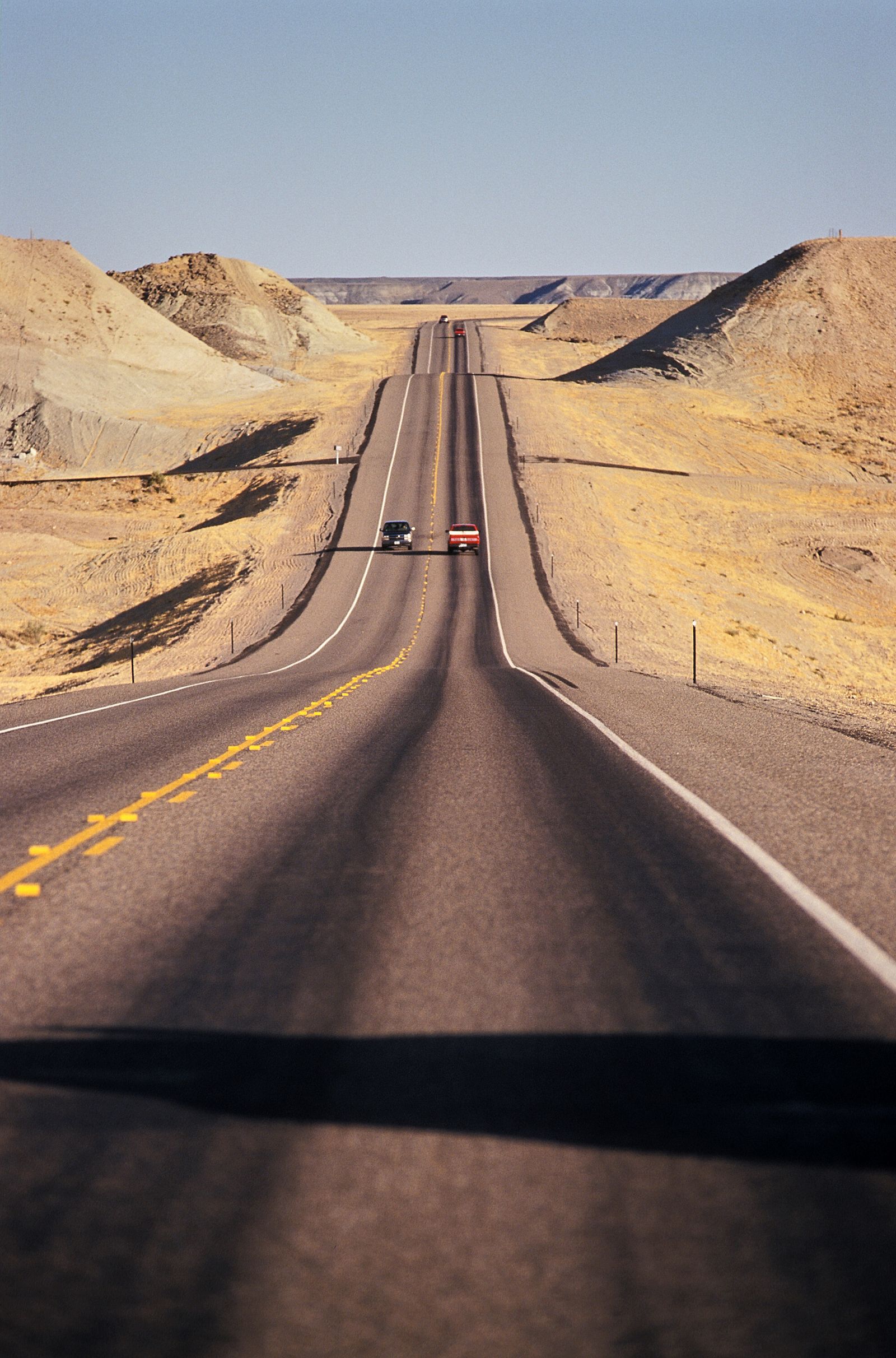
An empty interstate highway stretching to the horizon
The longer the haul, the cheaper the mile. Photo: mysurrogateband via Pexels (Pexels License).

Open or enclosed on this lane?

The gap here is real money: $856 to $1,580 open against $1,113 to $2,529 enclosed on the same 1,317 miles. The enclosed ceiling sits well above the open ceiling, and that spread is the decision.

For most cars, open transport is the sane default and the reason the low end of this lane exists at all. Enclosed earns its premium on a specific kind of vehicle, where road grime and rock chips aren’t acceptable. If you’re weighing it, the open vs. enclosed comparison lays out the tradeoff, and classic car transport covers the case where enclosed is the obvious call.

Vehicle type shifts the number inside either range too. A full-size pickup takes more deck space than a sedan and prices accordingly, which the truck shipping guide gets into.
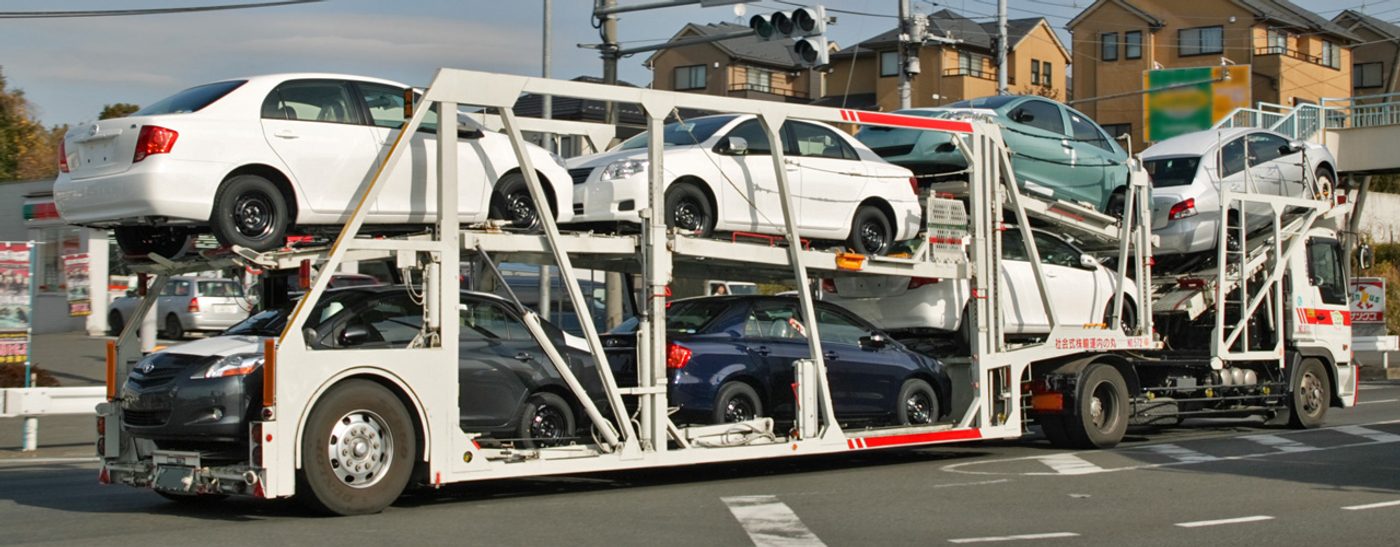
Cars loaded on a multi-deck open transport trailer
A multi-car open hauler mid-load. Photo: Tennen-Gas via Wikimedia Commons (CC BY-SA 3.0).

What to check before booking

Get quotes from more than one source and compare them against this range. A quote noticeably below $856 for this lane (roughly 25% under is the classic tell) isn’t a bargain, it’s usually the opening move in a lowball-then-raise game. Ask who the actual carrier is before you pay a deposit. Read how the deposit scam works before you hand over any money.

Sometimes a low quote is legitimate: a carrier with a truck already headed to Denver and one empty slot will price to fill it. The difference is that a real carrier can tell you which truck, which driver, and when. A broker who can’t name any of that is quoting a number, not a move.

Flexible pickup dates help the carrier slot your car into a truck that’s already running this route, which keeps you closer to the low end. Demanding a specific day pushes you toward the high end or beyond.

Moving the other direction? The Denver to Seattle lane prices the same trip northbound.

A printed contract document with a fountain pen
Read the contract before any deposit clears. Photo: Blogtrepreneur via Wikimedia Commons (CC BY 2.0).

What changes the price on this route

Open vs. enclosed

Enclosed runs 1.3x-1.6x the open rate. Worth it for a classic, show car, or anything with zero tolerance for road debris; overkill for a daily-driver sedan.

Vehicle size and weight

Sedans set the baseline. SUVs and trucks take more trailer space and add weight, so they push the rate up. Motorcycles, RVs, and boats price on their own separate scale entirely.

Running or not

A non-running vehicle needs a winch to load, which adds a flat $150-$300 regardless of distance.

Season and demand

Snowbird migration (fall south, spring north) and summer moving season push lane demand up 10-25%. Off-peak, off-popular-lane shipments get better rates.

Pickup flexibility

Flexible dates let a broker match your car to a truck that's already passing through. Demanding a specific pickup day adds 15-40% because the carrier has to rearrange its route.

Terminal vs. door-to-door

Door-to-door costs a bit more but saves you a drive to a terminal lot. Terminal shipping is cheaper when a lot is genuinely on the carrier's route and you don't mind the extra trip.

Why the cheapest quote is usually a trap

Page one for almost any car-shipping search is brokers running a quote calculator built to capture your phone number, not to price your move honestly. Here's the mechanism, plainly.

  1. A broker quotes you a price that looks great, often well under what the route actually costs to move.
  2. You book and often pay a deposit. The broker now has your business locked in.
  3. The broker shops your load to actual carriers. No carrier will take it at the lowball price, because carriers know their real costs.
  4. Days pass. Eventually the broker calls back: the price has to go up, or your pickup keeps getting pushed.
  5. You're stuck. Cancel and lose the deposit, or pay the new, higher price. Either way, the "great deal" was never real.

Red flags to check before you book

  • A quote that's noticeably below every other quote you got for the same route and vehicle. A price roughly 25% under the market average is the classic warning sign.
  • A broker who wants a deposit before telling you which carrier will actually move your car.
  • Contract language that lets the price change with no cap, buried in the fine print as an "estimate subject to change."
  • Pressure to book immediately, or a countdown-style urgency pitch. Legitimate carriers don't need to rush you.
  • No physical address, no verifiable FMCSA/USDOT number, or reviews that are suspiciously uniform and recent.

A legitimate carrier or broker asks for a modest deposit, usually $100-$200, often only after a carrier is actually dispatched to your vehicle. The balance is paid to the driver at delivery. If the numbers on your quote don't look like that, ask why before you sign anything.

Ready to book? Compare vetted carriers.

We don't move cars ourselves. When you're ready, compare quotes from multiple vetted carriers, not a single lowball teaser. (Washington to Colorado)

We're still vetting a vetted auto-transport carrier network for honesty and legitimacy before linking out. No lowball-bait partners, ever.

Protect the move with shipping insurance

Carrier liability coverage has real limits. A dedicated car-shipping insurance policy closes the gap for high-value or classic vehicles. (Washington to Colorado)

We're still vetting a car-shipping insurance provider for honesty and legitimacy before linking out. No lowball-bait partners, ever.

Affiliate/lead disclosure: if you book through a link above, CarPassage may earn a referral fee at no extra cost to you. We don't ship cars or sell quotes ourselves; we estimate costs neutrally and only link to partners we've vetted for legitimate, non-lowball pricing practices.