Truck Shipping Cost: The Size Premium Explained
Pickup trucks cost 10-25% more to ship than a sedan on the same route, driven by extra trailer space and weight. Here's the honest breakdown by distance.
Typical cost range
$1,050 – $3,400
Open transport · 1,200 mi
This is an honest estimate built from published market pricing, not a locked quote from any single carrier or broker. Rates as of 2026-07, reviewed 2026-07-02.
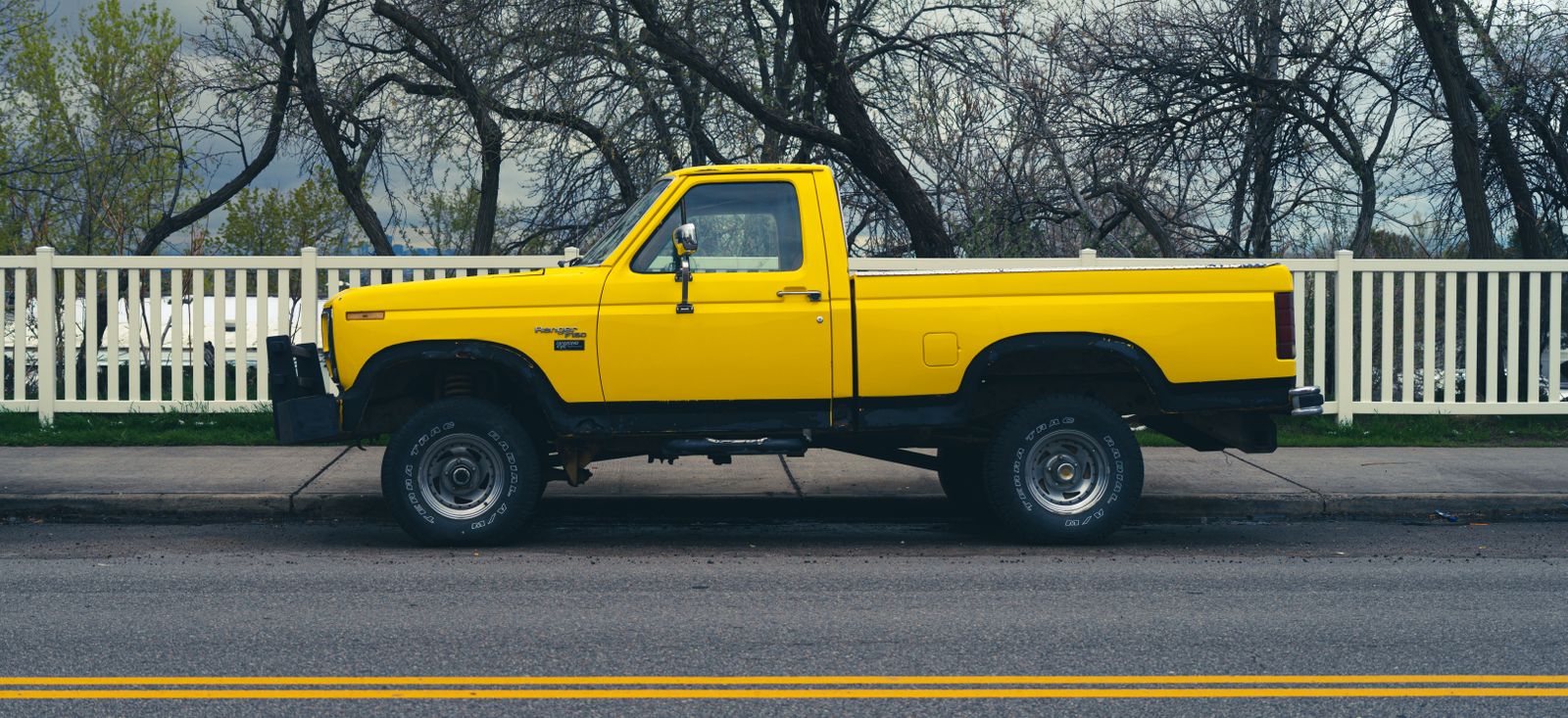
A pickup truck runs 10 to 25% more than a sedan on the identical route and distance. On a long cross-country lane over 1,500 miles, that premium commonly lands a truck shipment in the $1,300 to $3,400 range, against a sedan’s $1,050-$3,000 for the same trip. The gap comes from two things: trucks take more trailer space per vehicle, so a carrier fits fewer of them on a single load, and the added weight burns more fuel over the haul.
Why does a truck cost more to ship than a car?
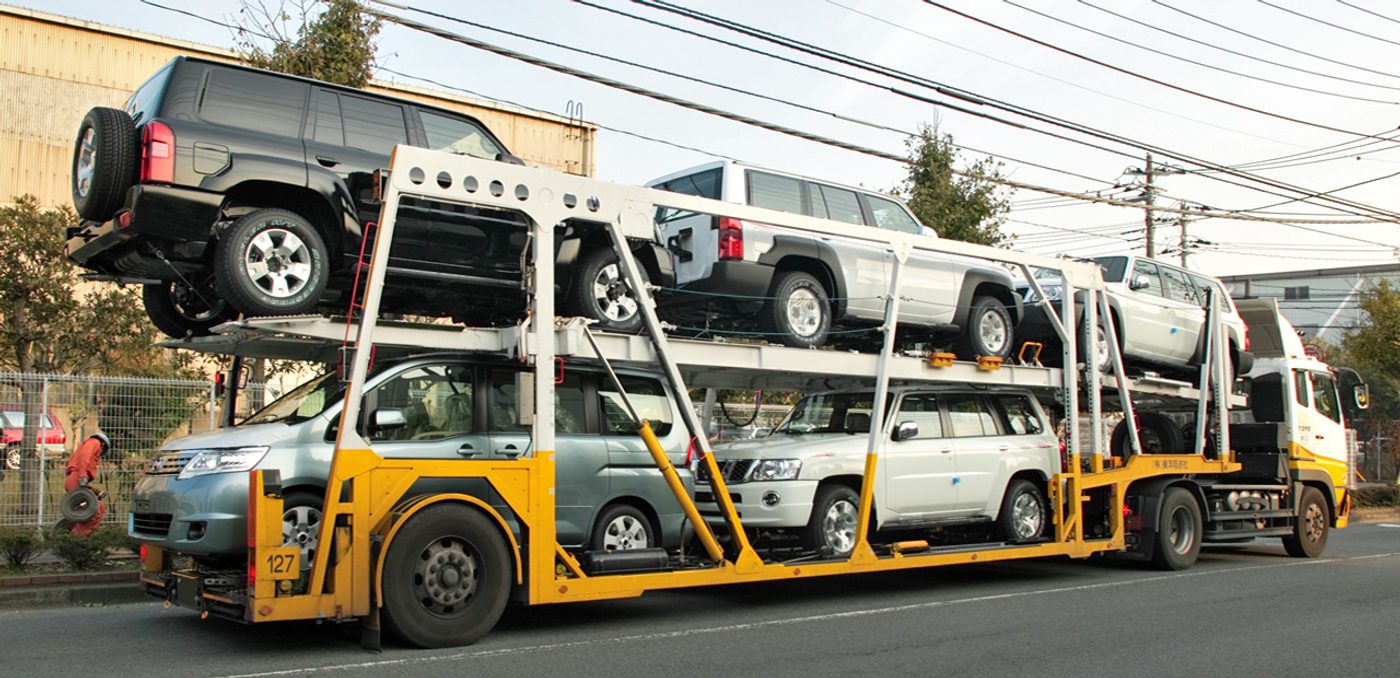
Auto-transport carriers price partly by how many vehicles fit on a single trailer run. A standard car carrier holds anywhere from seven to ten sedans, but a full-size crew-cab truck’s length and height can knock that count down, which spreads the carrier’s fixed costs across fewer paying vehicles.
That’s the whole mechanism, and it’s worth understanding because it tells you which parts of a quote are real. The driver covers the same miles either way. The fuel, the hours, the loading and strapping time: none of it drops just because one slot on the trailer is occupied by a pickup instead of a Civic. Fewer paying vehicles sharing that fixed bill means the price per vehicle climbs, and the vehicle causing the squeeze carries the most of it. It isn’t a surcharge someone invented to punish truck owners, and it isn’t the negotiable part of the number. A carrier quoting your truck at sedan money either hasn’t looked at what you’re shipping, or plans to revisit the figure later.
Do larger trucks cost more to ship?
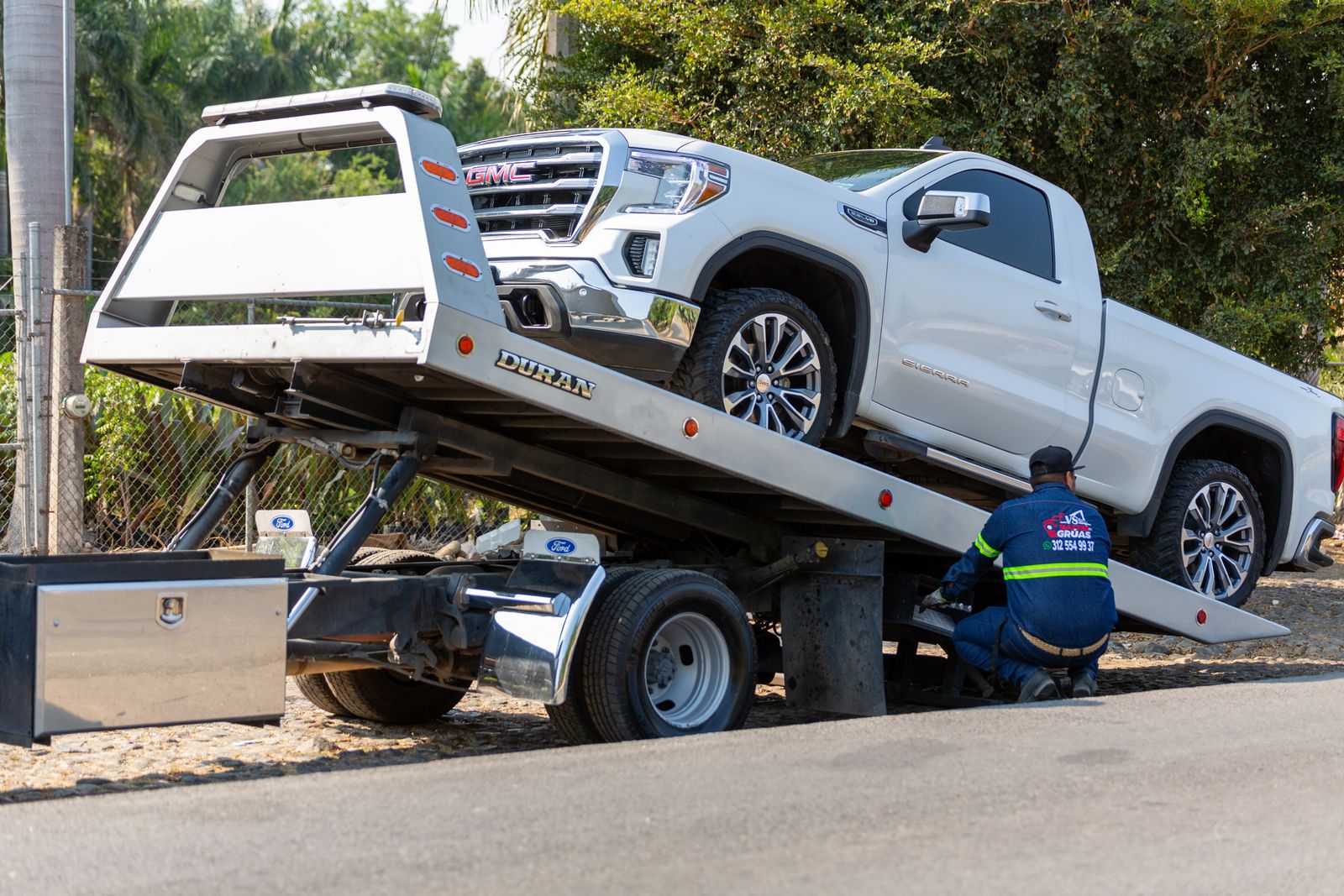
Yes. A full-size crew-cab truck costs more than a compact pickup, and a dually or extended-bed model can push toward the SUV-and-up end of the size premium rather than the baseline truck rate. Height matters as much as length, since vertical clearance on a double-deck trailer is exactly what the carrier is selling.
Which is why the description you give at quote time decides whether the number survives to pickup day. Cab configuration, bed length, whether it’s a dually, any lift, oversized tires, a bed rack, an aftermarket bumper: each one changes the space your truck occupies on the trailer. Say all of it up front. A quote written against the words “pickup truck” is a guess, and guesses get corrected in person, usually upward, usually at the moment you can least afford to walk away. How car shipping works covers what a broker actually does with the details you hand over.

Is it cheaper to ship a truck empty or with cargo in the bed?
Carriers generally price by vehicle, not cargo weight, so a loaded bed usually won’t move the quote. It matters for a different reason. Most standard auto-transport liability coverage excludes personal items in the vehicle, so anything you leave in the bed travels at your own risk. The toolbox isn’t covered by the carrier’s policy, and it won’t appear on the inspection paperwork either.
Move valuables out before pickup, or confirm in writing what the policy actually covers. Car shipping insurance explains what a carrier’s cargo coverage does and doesn’t reach once the trailer is rolling.

Should a pickup go open or enclosed?
Open transport is the default for pickups the same way it is for cars, and for most trucks it’s the right call. Enclosed costs more, and it earns that premium for the same reasons it does with any vehicle: a show-condition restoration, a rare trim, a paint job you’re not willing to gamble on.
One wrinkle applies to trucks specifically. Enclosed trailers are built around cars, so ask whether your truck’s height and length actually fit the trailer you’re being quoted on before you pay for the upgrade. A carrier who can’t answer that question quickly hasn’t measured. Open vs. enclosed has the full comparison.

How long does shipping a truck take?
Nothing about a pickup makes it move slower down the road. Transit time comes down to distance and how many stops the carrier makes along its route, the same as any other vehicle on the trailer. Realistic timelines by distance breaks that down, and the route pages show what specific lanes actually run.
What to watch for
The lowball-then-raise pattern applies to trucks the same way it does to any other vehicle. A quote that doesn’t reflect the size premium at all, especially for a full-size or extended model, is worth a second look before you book. The tell is truck-shaped but the trick is identical: the number is low because it was never real, and the correction arrives after your deposit clears. Read how the deposit scam works before paying anything upfront.