How Car Shipping Actually Works, Step by Step
From booking to delivery: what a broker does, what a carrier does, the deposit and balance structure, and the inspection paperwork that actually protects you.
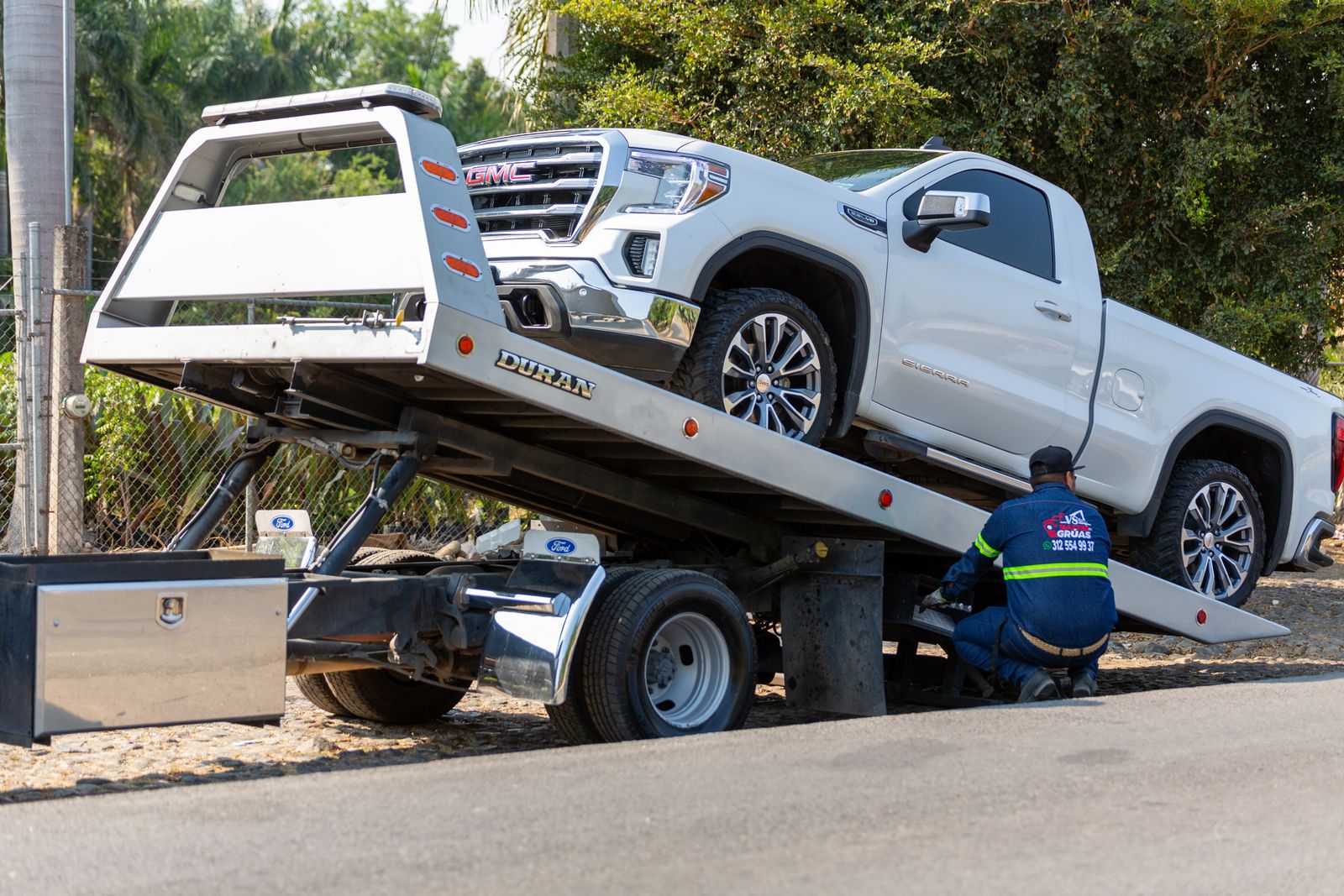
Booking a car shipment involves three parties in most cases: you, a broker, and a carrier. Understanding what each one actually does is the difference between a smooth move and a confusing one.
Do I book with a broker or a carrier?
Most bookings go through a broker. A broker doesn’t own trucks. They take your shipment details (route, vehicle, timing) and shop it to their network of carriers, matching you to whoever has a truck running your lane at a workable price. Most of the big names you see on page one of a car-shipping search are brokers, not carriers. That’s not inherently a problem, brokers add real value by having relationships across a wide carrier network, but it does mean the quote you get from a broker is an estimate of what they think they can find, not a locked-in carrier commitment.
You can also book directly with a carrier if you find one already running your specific lane, and it sometimes costs less than going through a broker. The tradeoff is legwork: finding a carrier with a truck on your exact route at the right time takes real digging, more than most people want to do, which is why most bookings go through a broker in the first place. Neither path is the “right” one. It’s a trade of your time against someone else’s margin.

What the carrier actually does
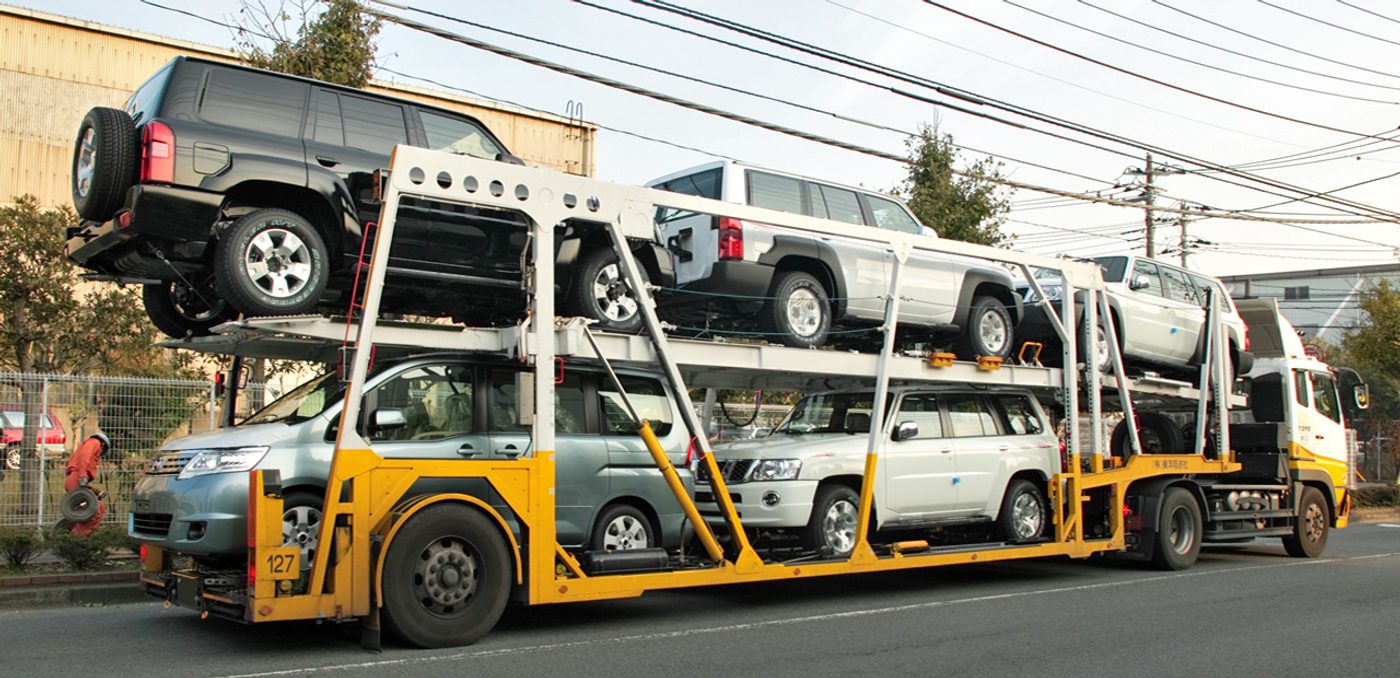
The carrier is the company that physically owns and drives the truck. Once a broker matches your shipment to a carrier, that carrier’s driver contacts you to schedule an actual pickup window, usually a day or two out from your ideal date rather than an exact hour, since the driver is running a multi-stop route.
This is the moment the shipment stops being theoretical. Until a carrier is dispatched, you have a price and a plan. After it, you have a truck. That distinction drives everything in the next section.

How much deposit is normal?
A legitimate deposit runs $100 to $200, and the timing matters as much as the amount: it’s typically charged only once an actual carrier has been dispatched to your vehicle, not at the moment you sign up. The remaining balance is paid directly to the driver at delivery, typically by cash or certified check.
If a broker wants a large deposit before naming a carrier, or before you have any confirmation a truck is actually assigned to your shipment, that’s a deviation from how this is supposed to work. Money moving before a carrier exists is the part to notice, whatever the amount. Read how the lowball scam plays out for the specific red flags, and check your number against an honest cost range for your route before you agree to anything.

What is a Bill of Lading?
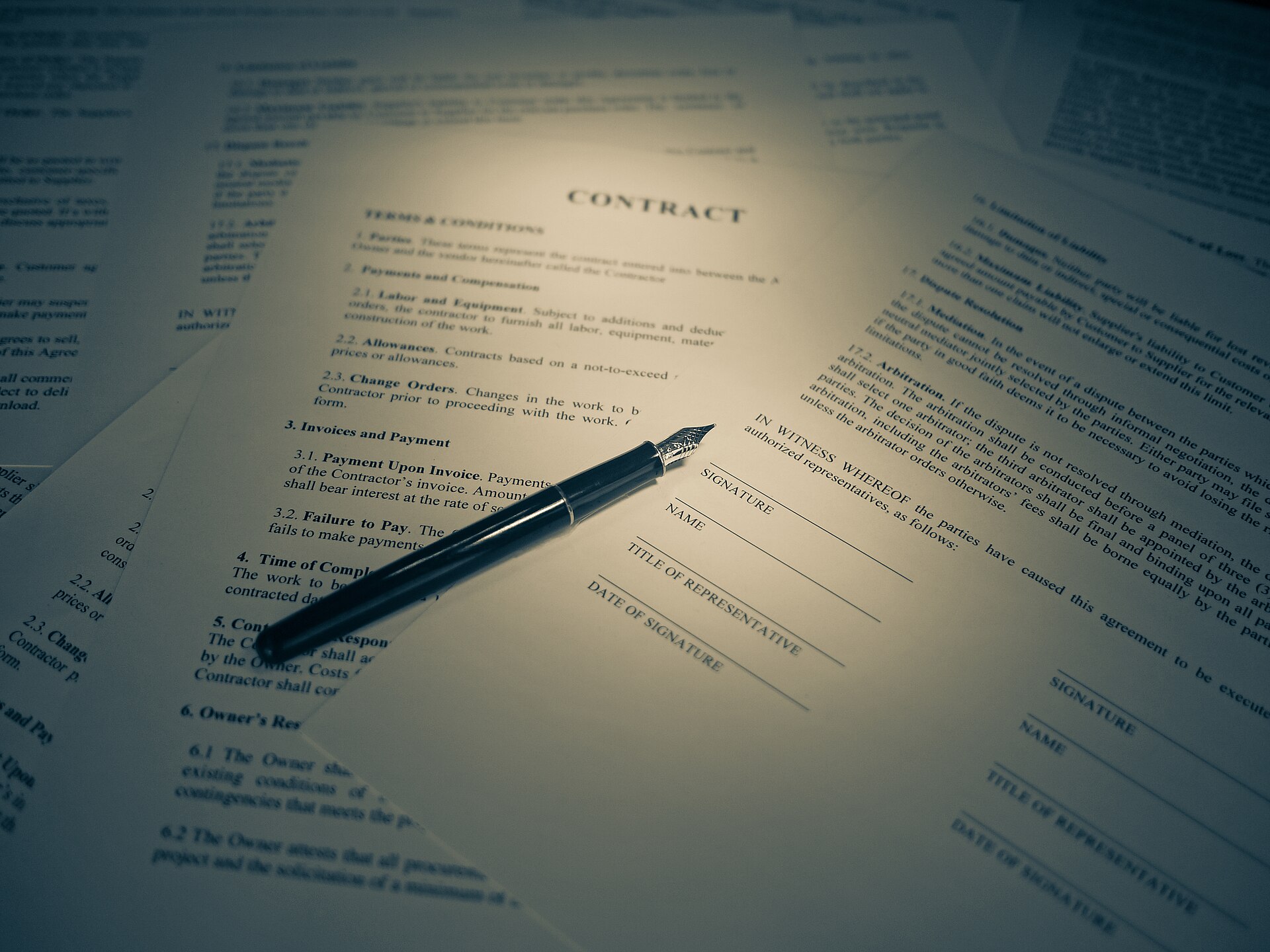
The Bill of Lading is the inspection document signed at pickup and delivery, noting the vehicle’s existing condition. At pickup, the driver and you (or whoever’s releasing the vehicle) walk around the car together and record what’s already there: every scratch, dent, and chip that existed before the car went on the trailer. Photograph the car yourself too, every panel, the wheels, and anything already damaged.
It’s your primary protection if damage happens in transit, so don’t skip a careful inspection at both ends. The document works by comparison, which is why the second inspection is worth as much as the first. A Bill of Lading that says the car left clean and arrived otherwise is the whole case. One filled out in a hurry, or signed without looking, is a record of nothing. This is also where the carrier’s insurance either helps you or doesn’t, since a claim starts from what’s written on this form.
Transit and delivery
Transit time depends on distance and how many other stops the carrier makes along the route, so it comes as a range rather than a promised date. Transit times by distance breaks down what to expect for short, mid-range, and cross-country moves. Whether you booked open or enclosed plays a smaller part in the timing than most people assume.
At delivery, you repeat the inspection against the Bill of Lading before signing off and paying the balance. Any new damage gets noted on the spot, not after the driver has left.
Where the estimator fits
None of this tells you what a fair price actually is for your specific route and vehicle. That’s what the cost estimator is for: an honest range before you start collecting quotes, so you know roughly what to expect and can spot a lowball number for what it is.